Cath Ellis Learning Design Logo

Designing for Humans

Stop designing for the content and start designing for the human. Learn how to use Personas, Journey Maps, and Empathy to create learning experiences that actually resonate with your audience.

Reading Time: mins

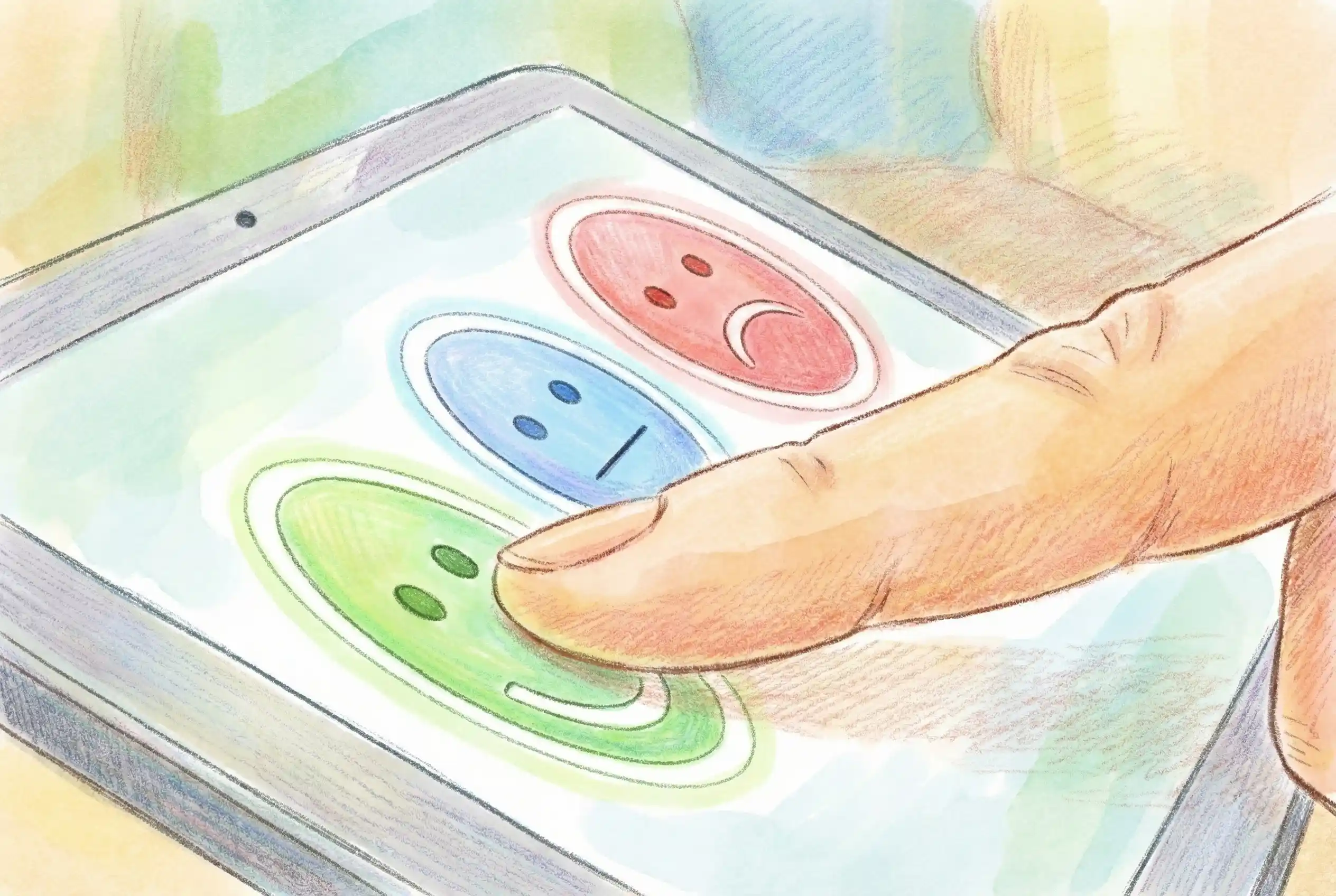
A finger selects a green smiling face on a tablet screen displaying three face icons; happy, neutral, and sad illustrating the importance of designing for humans.

It is the most common trap in Instructional Design: We fall in love with the content, and we forget the human on the other side of the screen.

We design for the Subject Matter Expert. We design for the Stakeholder. We design for the Learning Management System. But if we aren’t designing for the Learner, we are just shouting into the void.

User-Centered Design (UCD) is not just a philosophy; it is a discipline. It shifts the focus from “What do they need to know?” to “Who are they, and how can we help them succeed?”

Here is how to turn empathy into your strongest design asset.

Empathy is a Design Metric, Not a Feeling

In the context of learning, empathy is not about “warm and fuzzies.” It is about data. It is the rigorous attempt to understand the constraints, motivations, and environment of your audience.

When you design with empathy, you stop making assumptions and start making accommodations:

  • Respect their Time: You cut the fluff because you know they are busy.
  • Respect their Diversity: You ensure accessibility isn’t an afterthought, supporting learners with different abilities, backgrounds, and tech literacy.
  • Respect their Intelligence: You offer autonomy and choice, treating them as active participants rather than passive data receptacles.

The Golden Rule of UCD: You are not your learner. What is obvious to you might be baffling to them.

The Reality Check: User Testing & Feedback

In traditional eLearning, we often work in a silo for weeks, launch the course, and hope for the best. This is a gamble you don’t need to take.

Feedback shouldn’t be a post-mortem; it should be the pulse of your project.

  • Prototype Early: Don’t wait for the final polish. Test rough concepts to see if the flow makes sense.
  • Watch, Don’t Just Ask: “Usability Testing” involves watching a learner try to navigate your course without your help. Where do they get stuck? Where do they click out of frustration?
  • Iterate: Feedback is useless if you don’t act on it. Use the data to refine the experience.

Your UCD Toolkit: Personas and Journey Maps

How do you keep the learner front-of-mind when you are deep in development? You need concrete tools.

1. Learner Personas ( The “Who”) Stop designing for “everyone.” When you try to please everyone, you engage no one. Create specific, fictional archetypes based on real data.

  • Example: Instead of “The Sales Team,” design for “New Hire Noah,” who is overwhelmed, using a mobile device on the train, and needs quick answers, not theory.
  • This humanises the data. It forces you to ask, “Would Noah actually watch this 20-minute video?” (The answer is usually no).

2. Journey Maps (The “When” and “Where”) Learning doesn’t happen in a vacuum. A journey map visualises the learner’s emotional and practical path.

  • The Trigger: What problem are they trying to solve?
  • The Friction: Where are the pain points? Is the login process difficult? Is the terminology confusing?
  • The Outcome: How do they feel after the training? Confident? Or confused?

The Bottom Line

User-Centred Design is a commitment to the idea that the learner is the most important person in the room.

When you design with empathy, iterate based on feedback, and use personas to guide your choices, you don’t just create “content.” You create experiences that respect the human on the other side of the screen. And in return, they engage, they learn, and they grow.

Who are you really designing for?

If you feel disconnected from your learners, it’s time to bridge the gap. Book a coaching session with me, and let’s develop a User-Centered strategy that puts your audience first.


Trusted by global brands, government agencies, and industry leaders:

Ready to create something exceptional?

I accept a limited number of projects to ensure every client gets my full attention. Let’s chat about what you need.
Cath Ellis Learning Design Logo
I acknowledge the Wurundjeri People of the Kulin Nation as the Traditional Custodians of the Country on which I live and work.
I honour their enduring connection to land, waters, skies, and community, and pay my deepest respects to Elders past and present, and extend that respect to emerging leaders.
I recognise that sovereignty was never ceded. This always was, and always will be, Aboriginal land.

About Cath Ellis

Cath Ellis is an eLearning Designer and Developer based out of Melbourne, crafting engaging and effective learning experiences.
ABN: 32 316 313 079
A Queer-Owned Business

Contact Info

Join My FREE Community

Sign up for my community to enjoy free eLearning tips, inspiration, and more.
©
2026
Cath Ellis
Made with
in Melbourne