Why you need to optimise your images
By
Cath Ellis

A resume claims you can do the job; a portfolio proves it. From simple LinkedIn hacks to custom WordPress builds, discover why owning your domain is the best career move you’ll make.
Reading Time: 5 mins


In the world of Learning & Development, a resume is just a claim. A portfolio is the proof.
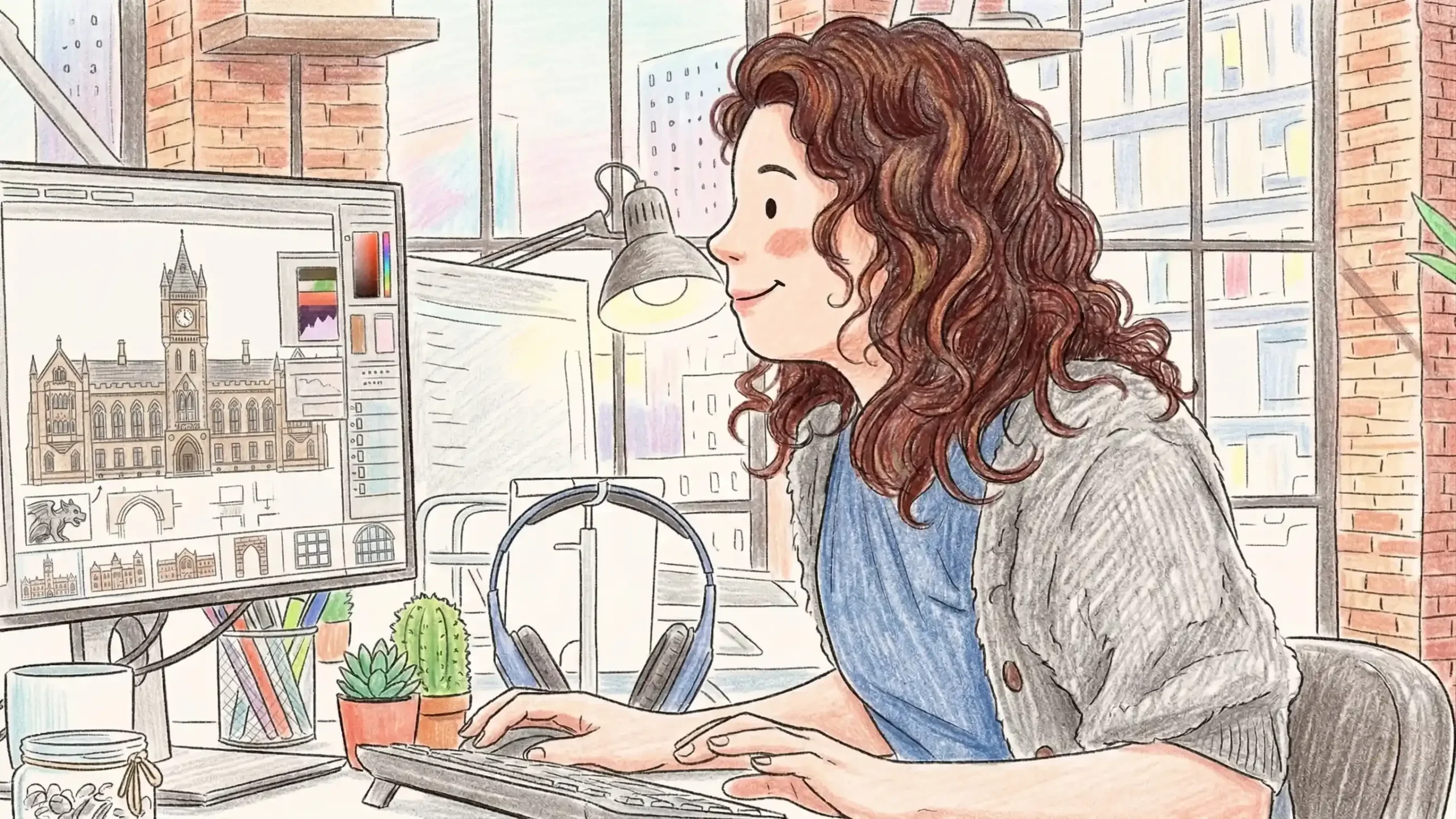
I launched my personal website back in 2008. At the time, it was essentially a glorified online resume, a static page listing where I’d worked and what I’d done. Over the years, as I transitioned from corporate trainer to eLearning designer, that website evolved. It stopped being a list of what I did and became a showcase of what I can do.
Today, my site is my strongest salesperson. It works while I sleep.
If you are an Instructional Designer or eLearning Developer without a portfolio, you are fighting with one hand tied behind your back. Here is why you need one, and how to build it, whether you have zero budget or are ready to go pro.
Before you build anything, go to a domain registrar (like Crazy Domains) and buy yourname.com
If your name is taken, try yournamedesign.com or yournamelearning.com. This is digital real estate. Even if you aren’t ready to build a website yet, buy the domain.
The LinkedIn Hack: The most basic form of a portfolio is your LinkedIn profile. But “linkedin.com/in/cathmellis” looks messy on a business card.
You do not need to spend a fortune to have a presence. If you are just starting out, Google Sites is your best friend.
It won’t win design awards, but it gets the job done. It allows you to move your work out of folders on your desktop and into a link you can share with a hiring manager.
When you are ready to own your platform entirely, you can move to a website builder that suits your needs. There are loads of great options to choose from right now, such as Webflow, Framer, Wix or WordPress.
My current weapon of choice is WordPress, built with the Breakdance builder.
A common mistake is to dump a bunch of Articulate Storyline links on a page without context. That is not a portfolio; that is a file dump.
A hiring manager doesn’t just want to see the final product; they want to see your process. For every project, include:
When a company is looking to hire a freelancer or a full-time ID, they are terrified of making a mistake. A resume tells them you claim to know Storyline. A portfolio shows them you know Storyline.
A portfolio removes the risk. It bridges the gap between “I think she can do it” and “I know she can do it.”
Whether it’s a simple redirect to LinkedIn or a custom Website, the important thing is to start. Your work deserves to be seen.
Does your website convert visitors into clients? Book a coaching session with me, and let’s review your portfolio to ensure it’s showcasing your best work effectively.